


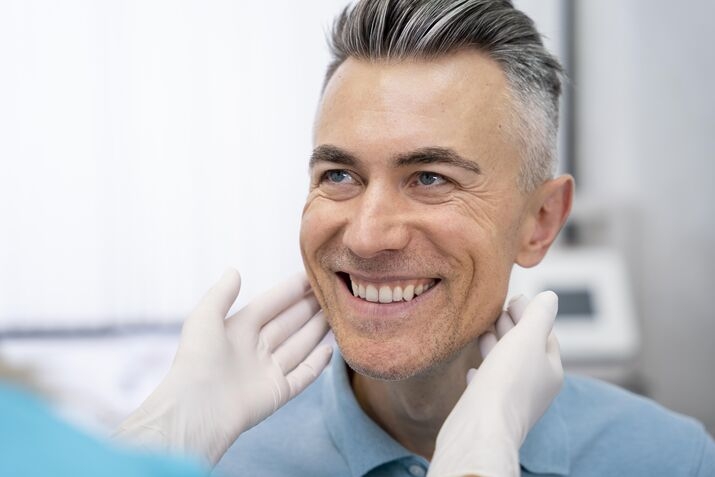
Choosing dental implants is a major step toward restoring your smile. For many North Carolinians living in the mountain region – where cooler air, seasonal dryness, and altitude can subtly affect oral health – dental implant care and maintenance requires some added mindfulness. Our goal is to help you understand what to expect, how to protect your investment, and how local conditions may play a small role in healing and oral health care.
What a Dental Implant Actually Is
Dental implant surgery involves a small, biocompatible post (most often titanium) placed in your jawbone to act as a replacement tooth root. Once it integrates with the bone, a custom connector and lifelike crown complete your restoration. This process creates a stable, natural-feeling tooth designed to handle daily activities like chewing and speaking with ease.
Because implants fuse with bone, they offer unique advantages for long-term oral health and confidence. Unlike traditional bridges, they do not require alteration of neighboring teeth – preserving your natural structure.
Caring for Dental Implants in the Mountain Climate
Caring for your restoration in North Carolina’s cooler, drier air requires just a few extra steps:
- Stay Hydrated: Low humidity can contribute to dry mouth, increasing bacterial buildup. Drinking plenty of water helps maintain gum health.
- Maintain Gentle, Consistent Hygiene: Brush twice daily with a soft-bristled brush and non-abrasive toothpaste. Clean between the implant and gumline with floss or interdental aids.
- Keep Up with Regular Checkups: Six-month cleanings are crucial to detect minor issues before they become serious.
- Mind Seasonal Changes: Cold weather may slightly slow healing for new implants. Following your dentist’s post-op guidelines helps support recovery even during winter months.
These small habits add up to long-term success and comfort, ensuring your implant remains strong and healthy in the years ahead.
How implants compare to other options (big-picture view)
| Option | Typical Longevity* | Aesthetics | Bone Support Under the Missing Tooth | Removable? |
| Single Implant + Crown | Long-term with maintenance | Natural-looking | Yes, in the implant area | No |
| Traditional Bridge | 10 years or longer with good care | Good | No (span area not stimulated) | No |
| Partial/Full Denture | Several years | Fair to good | No | Yes |
*Actual timeframes vary with home care, diet, bite forces, materials, and regular dental visits.
Real risks to know—and how we minimize them
All surgical treatments carry some risk. With dental implant treatment, the most discussed include:
- Short-Term Failure (Early Problems): This happens when the implant doesn’t successfully fuse with your jawbone (a process called osseointegration). Causes often include factors like smoking, low bone density, or uncontrolled diabetes. Symptoms include the implant feeling wobbly, pain, or bleeding.
- Long-Term Failure (Late Problems): This happens after the implant has fully healed, often years later. The most common cause is peri-implantitis, which is a chronic infection of the gum and bone around the implant. Symptoms include infection, discomfort, and bleeding.
How we reduce risk: detailed health and medication review, 3D imaging when indicated, sterile technique, gentle placement, bite calibration, customized hygiene coaching, and scheduled follow-ups. If you smoke, we’ll discuss a temporary quit plan to improve outcomes
About Our Practice: Arden Dental Group provides gentle, personalized care tailored to your needs. Learn more about our approach at our About page.
Real Patients. Real Confidence.
“I have had a Dental Implant and Bridgework as well as Caps and Fillings. All these procedures were done by Dr. Clark, who is not just a doctor but an artist in her own right!” – Ben W.
Considering Dental Implants in North Carolina?
Schedule a consultation with our experienced dental team to discuss your goals, review your health, and plan your treatment timeline at (828) 684-9260!
FAQs About Dental Implants in Arden
How long do dental implants last?
Dental implant procedure results are long-lasting. Many studies show high survival at 10 years when patients keep excellent home care, attend regular cleanings, and protect against heavy bite forces. Longevity depends on overall health, hygiene, and habits like smoking. With routine maintenance and check-ups, your implant-supported tooth can remain comfortable and functional for many years. Have questions? Reach out at (828) 684-9260!
Are implants better than bridges?
“Better” depends on your goals! Dental implant surgery is fixed in the bone and can feel more like your own teeth, which many people prefer for chewing and confidence. Bridges avoid surgery but require support from neighboring teeth. Our friendly and smile-focused dental team will compare choices for your smile and lifestyle. Check out our Services page to learn more about our treatments!
Who qualifies for dental implants?
Healthy gums, adequate bone, and a commitment to daily cleaning are key. We assess your medical history, medications, and habits such as smoking. Well-managed conditions like diabetes may still be compatible with implants. Your consultation includes imaging and a personalized plan explaining candidacy and any steps that could improve readiness. Book a consultation through our Contact page!
Does insurance cover dental implant surgery?
Coverage for dental implant surgery is highly variable, depending on whether medical, dental, or both types of insurance may apply to your procedure. How much is covered hinges entirely on your specific insurance provider, the details of your plan, and the plan’s annual limits – some policies cover implants, and some do not. Connect with our teeth implant dentist at (828) 684-9260!
Can teenagers get a dental implant restoration?
When considering a dental implant for a younger patient, several key factors must be evaluated. The most critical is jawbone development. Our teeth implant would also have to consider that a teen’s commitment to disciplined oral hygiene is crucial, as poor upkeep significantly increases the risk of implant failure. If your teeth is missing teeth and you need support, call us ASAP at (828) 684-9260!